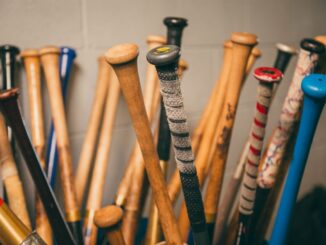
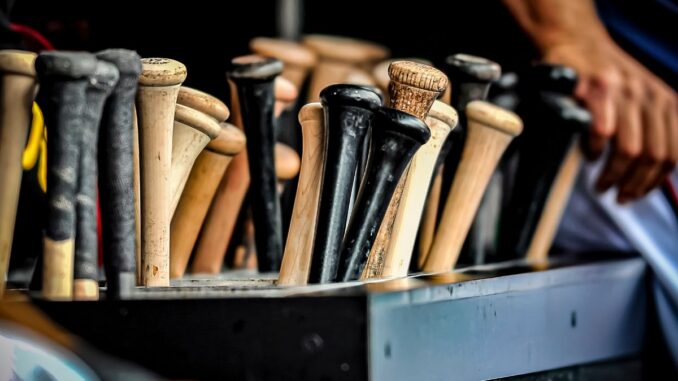
Baseball players can spend hours debating bat weight, barrel size, swing feel, and material. Yet one distinction creates more confusion than almost any other: the difference between a stock bat and a shaved bat. They may look identical, but once a hitter puts them into action, their construction, performance, durability, and legal status can differ significantly.
Understanding shaved and stock bats matters for anyone who plays competitively, participates in home run derby events, or simply wants to know why some bats seem to produce a different response at contact. In this guide, we directly compare shaved vs. stock baseball bats and explain their differences.
What is a Stock Baseball Bat?
A stock baseball bat comes directly from the manufacturer without internal modifications. The barrel walls, end cap, handle, weighting, and other components remain in the same condition in which the manufacturer produced them. When a bat carries a certification stamp for a specific organization, that approval applies to the bat in its original configuration.
Manufacturers design stock bats around a balance of performance, durability, safety, and compliance. Composite models may require a break-in period before they reach their best feel. Even after that process, the barrel still retains the wall thickness and structural characteristics intended by the manufacturer.
What Is a Shaved Baseball Bat?
Bat shaving involves removing the end cap and thinning material from the inside of the barrel. This process changes the barrel wall thickness without dramatically altering the bat’s exterior appearance. The modification generally targets composite bats because their layered barrel construction allows material to be removed from the inside.
A thinner barrel can flex more when it strikes the ball. That increased flex can create a stronger trampoline effect, which may help the ball leave the bat at greater speed.
Why Shaved Bats Can Perform Differently
The biggest difference between shaved and stock baseball bats that we’ll explain is how they perform. When a baseball or softball contacts a composite barrel, both the ball and the bat deform for a fraction of a second. The barrel then rebounds, transferring energy back into the ball. Changing the barrel thickness can change that interaction.
A shaved barrel generally compresses more easily than an untouched barrel. For hitters, that can translate into more noticeable pop when contact lands on the sweet spot. The exact result varies depending on the original bat model, the removal of material, temperature, ball type, swing speed, and the condition of the bat.
More Flex Comes With a Tradeoff
Extra barrel flex does not come without consequences. Manufacturers choose wall thickness partly because the barrel needs to withstand thousands of high-force impacts. Removing material reduces the amount of structure available to absorb those impacts.
As a result, a shaved bat may crack, split, or fail sooner than the same model in stock condition. A particularly aggressive shave can increase performance while shortening the bat’s useful life substantially. That tradeoff matters to anyone considering a modified bat for recreational power-hitting events.
Do Shaved Bats Sound Different?
Players sometimes assume that a modified bat will immediately reveal itself through sound, but it’s mostly a myth that shaved bats sound audibly different than stock ones. In reality, sound alone can make for a poor diagnostic tool.
Composite bats already produce different tones depending on their construction, age, temperature, ball type, and point of contact. A hitter might notice a change in pitch or resonance, but sound does not provide a reliable way to determine the alteration of a bat.
Why Bat Sound Changes Anyway
Even untouched bats can sound different over time. A new composite bat may produce one tone during its first swings, then sound noticeably different after frequent contact loosens the barrel structure. Temperature can also influence how composite materials respond during impact.
The ball itself adds another variable. Different baseballs and softballs use different cores, compression levels, covers, and construction methods. Those differences can change the sound at contact, which makes it difficult to judge a bat solely by what reaches the ear.
Stock Bats Offer Predictable Durability
For most players, one of the biggest advantages of a stock bat comes down to predictability. Manufacturers test their bats around known specifications, which gives players a better sense of how the product should perform and how long it may last under normal use.
That does not mean every stock bat lasts forever. Composite barrels can crack, alloy bats can dent, and end caps can loosen. Still, leaving a bat unmodified preserves the structural design of the bat. It also keeps manufacturer warranty considerations much simpler than they become after an aftermarket modification.
Shaved Bats Have Limited Uses
The legal and competitive distinction between the two types matters just as much as the performance difference. Organized baseball and softball leagues typically require equipment to meet specific certification standards. Altering the internal structure of a certified bat can invalidate that certification.
That means shaved bats belong in settings that explicitly permit them, such as certain home run derby competitions, controlled exhibitions, or private recreational hitting. Players should check event rules before bringing any modified equipment to the field.
Safety Matters More Than Extra Distance
A harder-hit ball carries more energy, which can increase the risk to pitchers, infielders, spectators, and anyone else near the field. That consideration becomes especially important in recreational environments where players may not expect batted-ball speeds beyond normal equipment standards.
Bat durability creates another safety concern. Removing internal material can weaken a barrel, increasing the possibility of structural failure. Players using modified equipment in permitted environments should inspect it carefully and stop using it if they notice cracks, rattles, separation, or other signs of damage.
Which Type Makes Sense for Different Hitters?
For league players, the choice stays straightforward: use equipment that meets the rules of the organization. A stock, properly certified bat gives players a legal piece of equipment that manufacturers designed to follow established performance standards.
For home run derby participants, the equation can look different. Some unrestricted events allow modified bats, and hitters may care more about maximum distance than long-term durability. In that narrow setting, understanding shaved bats and their benefits helps players weigh extra barrel response against reduced lifespan, rule limitations, and added safety considerations.
The Difference Goes Deeper Than Appearance
Shaved and stock bats may share the same paint, graphics, grip, and basic shape, but their internal structures tell two different stories. A stock bat retains the manufacturer’s original wall thickness and certification characteristics. A shaved bat sacrifices some internal material to create greater barrel flex and potentially stronger performance.
For Oregon baseball and softball players, the practical takeaway comes down to context. Stock bats remain the appropriate choice for sanctioned competition, while shaved bats fit only into events that clearly allow modified equipment. Knowing the distinction helps hitters choose the right tool for the right setting instead of judging a bat by appearance, sound, or reputation alone.