
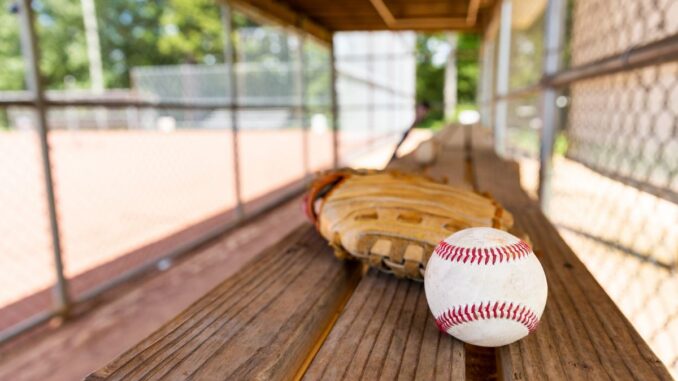
Baseball season in Oregon brings plenty of excitement, muddy cleats, and early mornings at the ballpark. Whether your child is starting T-ball or returning for another Little League season, the right equipment makes a difference. Comfortable gear helps young athletes focus on developing their skills and enjoying the game. For parents, preparation also means fewer last-minute shopping trips.
Oregon’s unpredictable spring weather adds another challenge to baseball season. One weekend might bring sunshine, but the next could deliver chilly winds and steady rain. Families need equipment that handles changing conditions without sacrificing comfort or safety. Fortunately, getting ready doesn’t require buying everything at the sporting goods store.
1. A Comfortable, Properly Sized Baseball Glove
Every young baseball player needs a dependable glove that fits comfortably. Younger athletes benefit from lightweight models that they can easily open and close. An oversized glove makes catching harder, especially for beginners still developing their fielding skills. Parents should prioritize these important features instead of choosing the most expensive option:
- Fit: Choose a glove that feels secure without restricting movement.
- Material: Leather offers durability, but synthetic options can feel lighter.
- Position: A versatile fielding glove works well for most beginners.
- Break-in time: Practice catching with the glove before opening day.
Remember that kids grow quickly, and their equipment needs will change. A glove that fits today beats an oversized model intended for several future seasons. Encourage your child to practice catching before their first official game. This helps them become familiar with the glove and builds confidence.
2. Baseball Cleats That Handle Oregon Conditions
Anyone who has attended spring baseball around Portland, Salem, or Eugene knows that slippery dirt comes with the territory. Baseball cleats provide traction when players run and change direction. For younger athletes, molded rubber or plastic cleats offer a practical starting point. Check your league’s footwear regulations because many youth divisions prohibit metal cleats.
Fit matters just as much as traction, especially during long practices. Tight cleats cause discomfort, and oversized shoes make quick movements more difficult. Have your child try them on with their baseball socks before purchasing. Keep regular shoes in the car to avoid tracking infield dirt everywhere.
3. An Approved Baseball Bat
A new bat might feel like the most exciting purchase of the season. However, parents should check league requirements before spending money on one. Youth baseball organizations enforce specific standards for bat certifications and barrel dimensions. Many Little League divisions require USA Baseball-approved bats, although certain older divisions permit BBCOR-certified models.
Consider the bat’s length and weight before making your final choice. Heavy bats can interfere with a younger player’s swing development. Ask whether the team provides shared bats before purchasing a personal one. Many programs supply equipment, helping families avoid unnecessary expenses.
4. A Properly Fitted Batting Helmet
Safety equipment deserves as much attention as gloves and bats. A batting helmet helps protect players against head injuries from baseball impacts. Choose a helmet that fits securely without excessive movement or uncomfortable pressure. Inspect it for cracks or damaged padding before the season begins.
Parents should also confirm that the helmet meets their league’s safety requirements. Some teams provide shared helmets, but individual helmets offer a consistent personal fit. Ask whether the league requires additional face protection for certain age groups. Never let your child use a helmet that shows signs of structural damage.
5. Baseball Pants, Socks, and Team Uniform Essentials
Baseball uniforms do more than create a matching appearance for team photos. Comfortable clothing allows players to move freely and provides coverage during slides. Most teams establish specific requirements for jerseys, pants, and accessories. This section of the youth baseball equipment checklist covers the clothing essentials every parent should review. Your child’s uniform should include the following items:
- Baseball pants in the approved team color
- A properly fitting jersey and cap
- A belt, if the team requires one
- Baseball socks that match the uniform
- An extra undershirt for colder games
Socks deserve particular attention because a poor fit can cause discomfort inside cleats. Pairs that bunch or slide down can distract players and contribute to sock errors that can ruin a uniform. Choosing the right size and length helps players stay comfortable throughout the game. Packing an extra pair comes in handy during Oregon’s rainy baseball weekends.
6. Protective Gear for Young Players
Baseball may not be a contact sport, but players still face injury risks. Thrown balls and sliding plays can create dangerous situations without appropriate protection. Equipment needs vary according to a player’s age and position. Parents should always confirm their league’s requirements before making purchases and depending on those requirements, protective equipment may include:
- An athletic supporter and protective cup
- A mouthguard
- A protective chest guard
- A fielding face mask
Catchers need additional equipment, including a helmet, mask, chest protector, and leg guards. Ask whether the team supplies catcher equipment before purchasing a complete set. Check applicable protective cup and throat protection requirements as well. Properly fitting equipment should allow movement without constantly shifting during practice.
7. A Weather-Ready Baseball Jacket
Oregon baseball parents know that sunshine during warmups doesn’t guarantee pleasant conditions by the third inning. A lightweight, water-resistant jacket helps players stay comfortable during chilly practices. Look for breathable materials that allow easy movement without adding unnecessary bulk. Moisture-managing base layers can also provide extra warmth during colder games.
Parents should verify whether their league permits additional layers underneath uniforms. Choose clothing that players can remove easily when temperatures rise. Keep a spare sweatshirt available for long stretches in the dugout. Remember that coaches and league officials must prioritize safety when weather creates dangerous field conditions.
8. Rainy-Day Extras for Oregon Baseball Families
The final category on this youth baseball equipment checklist addresses Pacific Northwest weather. Rain and muddy fields can complicate even the most organized family’s plans. A few extra supplies can make uncomfortable conditions easier to manage. Keep a dedicated baseball kit in the car throughout the season and consider packing these useful extras for unpredictable Oregon weather:
- Extra socks and dry clothes
- Towels for muddy equipment
- Waterproof bags for wet uniforms
- A spare sweatshirt
- Sunscreen and drinking water
- A portable seat cushion for spectators
After wet practices, remove equipment from closed bags and let everything dry thoroughly. This habit helps reduce lingering odors and unnecessary wear. Check gloves and cleats for trapped moisture before storing them again. Taking care of equipment can extend its usefulness through another season.
Getting Ready Without Overspending
Youth baseball expenses can accumulate quickly, especially for families with multiple children playing. Before shopping, contact your league to confirm which items registration covers. Community equipment exchanges and secondhand sporting goods stores can help reduce costs. Prioritize properly fitting equipment and required protective gear before purchasing optional accessories.
Ultimately, preparation matters more than owning the newest baseball equipment. With comfortable gear and a plan for Oregon’s unpredictable weather, young players can focus on enjoying the game. Parents can spend less time searching for forgotten essentials and more time cheering from the sidelines. That’s a win before the first pitch even leaves the mound.
Be the first to comment