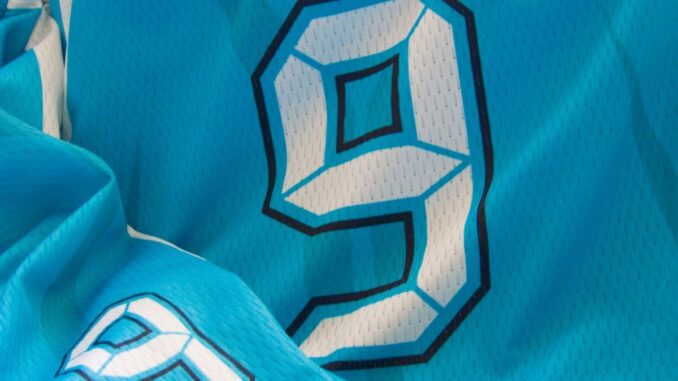
Uniforms have taken center stage in 2026, and not just on game day. Across the NFL, NBA, and MLS, teams lean into identity, nostalgia, and details that fans actually notice. Pacific Northwest fans see familiar looks return alongside a few smart upgrades. Teams now treat uniforms as cultural statements rather than just equipment.
Here’s a breakdown of the top sports uniform style trends shaping teams like the Seahawks, Mariners, Trail Blazers, and Timbers. Designers now think beyond jerseys and focus on the full visual experience. That shift shows up in everything from color choices to accessories. The result feels more intentional and more connected to fans.
1. Retro Is Running the Show
Throwback uniforms now drive the conversation rather than sit on the sidelines. Teams bring back classic designs with modern materials, sharpening the overall look. Fans respond to styles that connect directly to franchise history. That authenticity gives retro uniforms staying power.
The Seattle Seahawks’ retro uniforms stand out as one of the strongest examples in recent memory. The royal blue and classic green combination taps into team roots while still looking clean and modern. Fans embrace the look because it feels genuine. That balance defines one of the top sports uniform style trends as of late.
2. Bolder Color Blocking and Contrast
Teams now push sharper contrasts and more aggressive color placement. Designers use bold sections of color to create movement and visibility on the field. These choices translate well both in stadiums and on social media. Visual impact plays a bigger role than ever.
The Portland Timbers continue refining their green-and-gold palette with more dynamic layouts. Their kits feel more energetic without losing identity. Across leagues, teams experiment with contrast to stand out. This approach keeps uniforms fresh while staying recognizable.
3. Performance Meets Personality
Modern uniforms combine performance upgrades with a strong visual identity. Teams prioritize breathable fabrics, lighter materials, and flexible fits. Designers ensure those upgrades enhance the overall look rather than distract from it. Style and function now work together.
Teams across the MLS and NBA have also started experimenting with custom accessories to reinforce identity. Socks, in particular, now carry team colors and subtle design details that complete the full kit. The Timbers and Trail Blazers both offer opportunities to extend branding into these smaller elements.
4. Alternate Jerseys That Actually Matter
Alternate jerseys now reflect real identity instead of acting as one-off designs. Teams build these uniforms around city culture, rivalries, or meaningful moments. Fans connect more when designs feel intentional and local. That connection increases engagement.
The Portland Trail Blazers continue to evolve their city editions, with stronger ties to Portland itself. These uniforms tell a clearer story instead of remixing existing looks. Teams across leagues follow a similar approach. Alternate jerseys now feel essential rather than optional.
5. Fan Wearability Is a Priority
Teams design uniforms with everyday wear in mind. Cleaner lines and versatile colors make gear easier to wear beyond the game. Fans want apparel that fits into daily life. Teams respond with more adaptable designs.
That crossover appeal drives the momentum behind top sports uniform style trends. Uniforms now show up in streetwear and casual fashion. This shift strengthens the connection between teams and their communities. It also pushes design to keep evolving.