
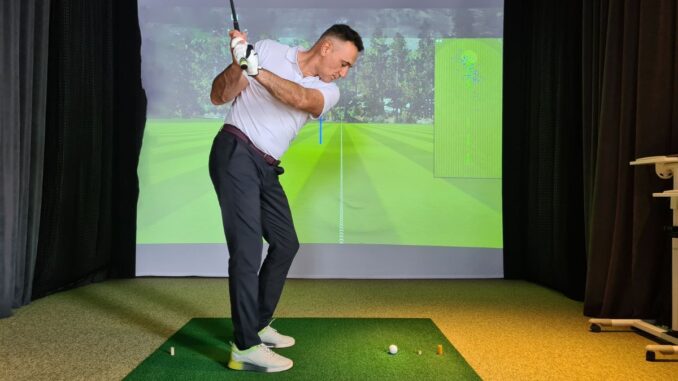
Golf in the Pacific Northwest often means dealing with rain, colder months, and limited daylight. Because of that, many Oregon golfers have started exploring indoor practice options. A home simulator can be a great way to keep your swing sharp without waiting for perfect weather.
However, buying one involves more than just ordering equipment online. This golf simulator buying guide covers a few key factors to consider before setting up your own indoor golf space.
1. Make Sure Your Space Actually Works
One of the most important factors is the amount of space available. A golf simulator needs enough room for a full swing, proper ball flight, and safe equipment placement. Before purchasing a system, you should check several measurements such as ceiling height, room depth, and room width.
These measurements can vary depending on the launch monitor and enclosure you choose. For many homeowners, garages or bonus rooms are the easiest spaces to convert.
2. Understand the Technology Behind It
Another important step before buying a golf simulator is understanding the technology that powers the systems. Every simulator relies on a launch monitor, which tracks the golf ball’s and the club’s movement during a swing. These devices typically measure several performance metrics:
- Ball speed
- Launch angle
- Spin rate
- Carry distance
- Club path
Higher-end systems provide extremely detailed analytics that many instructors and competitive golfers rely on. Meanwhile, entry-level systems usually focus on ball flight and basic distance data. Choosing the right option depends on whether you want serious swing analysis or casual rounds with friends.
3. Budget Beyond the Simulator
Many buyers focus only on the launch monitor price. However, a complete simulator setup includes several additional pieces of equipment. A typical system may require the following components:
- Impact screen or enclosure
- Projector
- Hitting mat
- Simulator software subscription
- Protective netting or padding
Depending on the quality of the equipment, the full investment can range from $3,000 to $20,000 or more. Planning for these costs in advance helps avoid surprises during installation.
4. Think About the Overall Experience
One of the biggest advantages of simulator golf is the experience it provides. Many modern systems include well-known courses, training modes, and multiplayer features. These features often include:
- Virtual versions of famous golf courses
- Practice ranges and swing analysis tools
- Multiplayer modes for friends and family
- Online competitions or league play
5. Installation and Safety Matters
Proper installation is essential when setting up a simulator. Golf balls travel at high speeds, so protecting both the room and the equipment is important. A safe setup usually includes the following precautions:
- Side netting or protective curtains
- Impact-rated simulator screens
- Secure projector mounting
- Proper hitting distance from the screen
Taking the time to install these elements correctly helps prevent damage to walls, ceilings, and electronics.
Indoor golf technology has improved dramatically in recent years. With the right setup, golfers can practice during the rainy months and keep their game ready for the next sunny tee time.