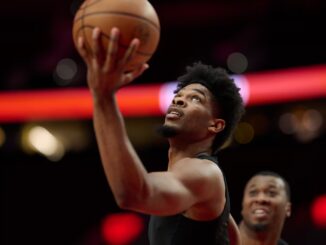
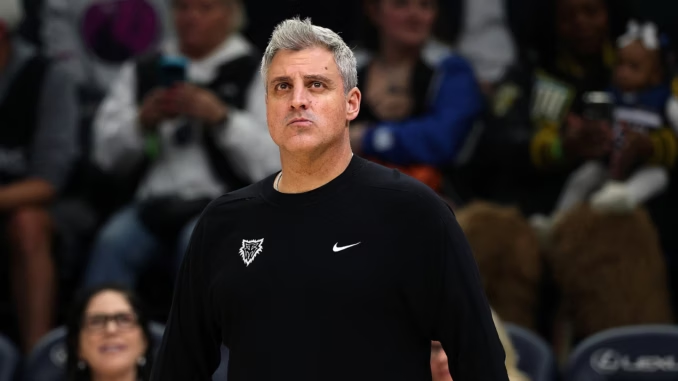
The Portland Trail Blazers have spent the last two months looking for their head coach of the future, interviewing upwards of 30 candidates from around the world to replace Chauncey Billups, who was arrested on federal charges related to an illegal gambling ring last October.
The search came to a close.
The team announced last week that they had chosen to bring in Minnesota’s associate head coach, Micah Nori, as the new leader of the franchise. The Athletic soon afterward reported that Nori had signed a one-year deal with team options for the following two seasons, terms that have no known precedent in NBA history.
He beat out Boston assistant coach Tyler Lashbrook, who was the other candidate to reach the final stage of interviews.
It’s the culmination of lots of hard work for the 52-year-old Nori, who had worked nearly three decades as an intern, scout, and assistant for five NBA franchises before taking over his own team. His energetic presence on the sideline has made him a fan favorite and drawn comparisons to basketball’s Ted Lasso from local media. That personality earned him the distinction of being voted the best assistant coach in the league in last year’s annual survey of general managers.
When Nori meets the roster, he’ll find several similarities in personnel to his time with the Timberwolves. The Blazers’ defense is built around Donovan Clingan playing deep in pick-and-roll coverage, similar to Rudy Gobert. The problem with the drop coverage Billups ran was the lack of consistent weak-side rotations, making it difficult to protect the rim without surrendering open threes. Those habits should not be much of an issue for Nori, given all the experience he has coaching one of basketball’s best defenses.
It’s a lot more unclear what an offense under Nori would resemble, given that Minnesota has long leaned on Anthony Edwards creating in isolation, something Portland doesn’t have the personnel to replicate. When he’s off the floor, the pace picks up significantly, and the offense becomes more read-and-react based in transition instead of structured isolation creation.
In one of those possessions, Minnesota responds to a made basket by getting the ball down the floor before their opponent can even get fully matched up. The early push to the left side of the court forces the defense to shift and opens driving lanes before they can settle into their half-court coverage.
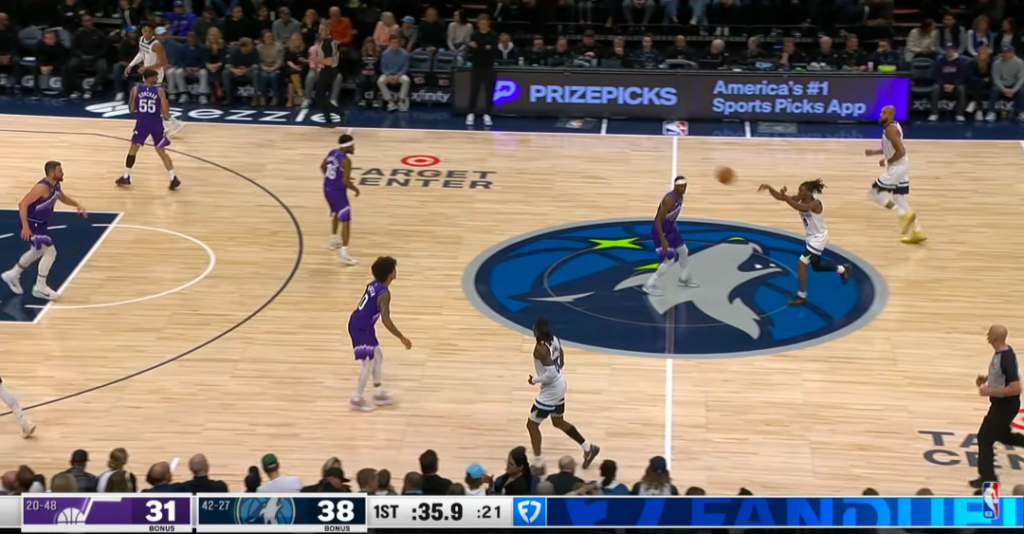
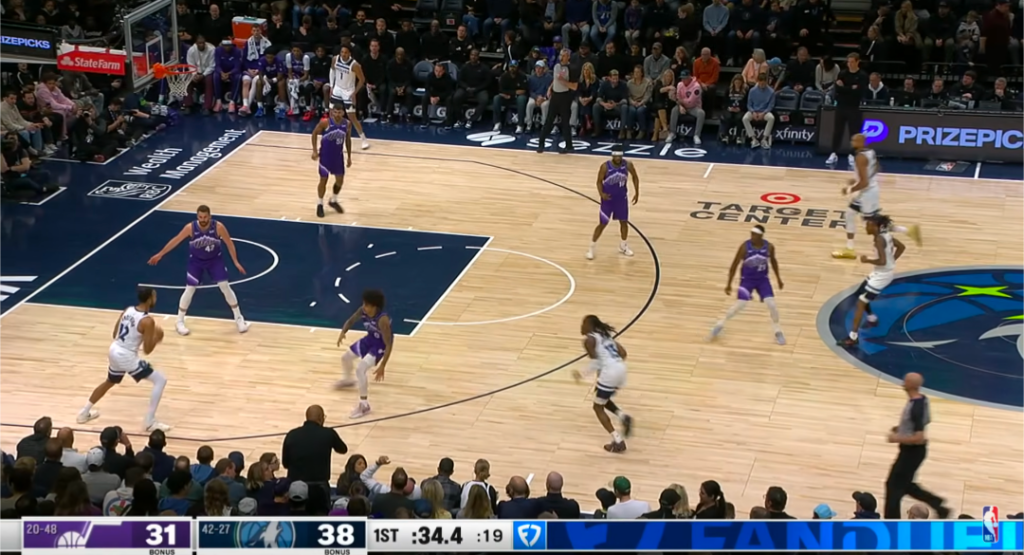
Notice how multiple purple shirts are drawn toward the ball while Minnesota’s off-ball players occupy potential help defenders elsewhere on the floor. That allows the ball handler to make a simple pass to a teammate attacking the middle of the floor without help arriving in time.
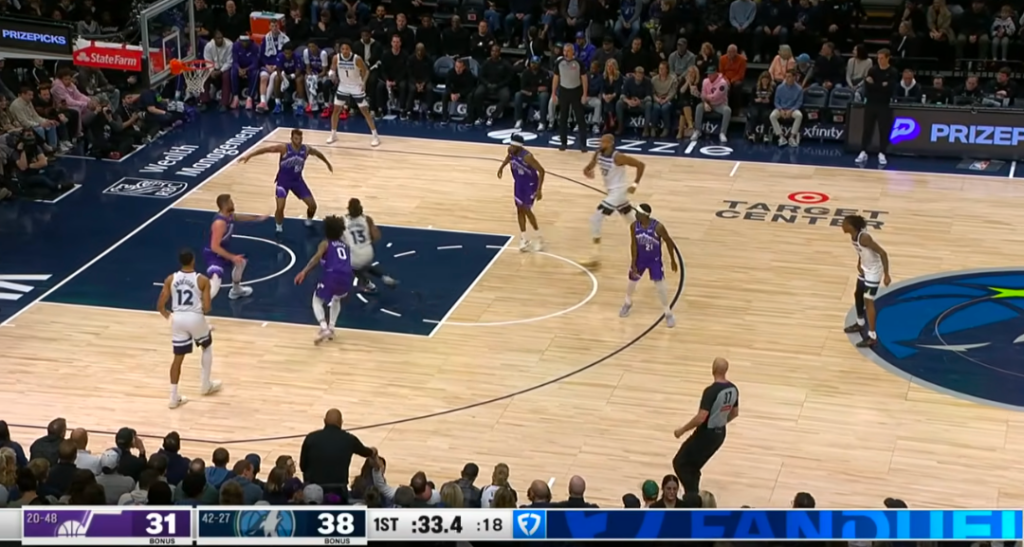
The spacing gives the ball handler several options: attack the rim, kick to either corner, or hit the big man making his way to the basket.
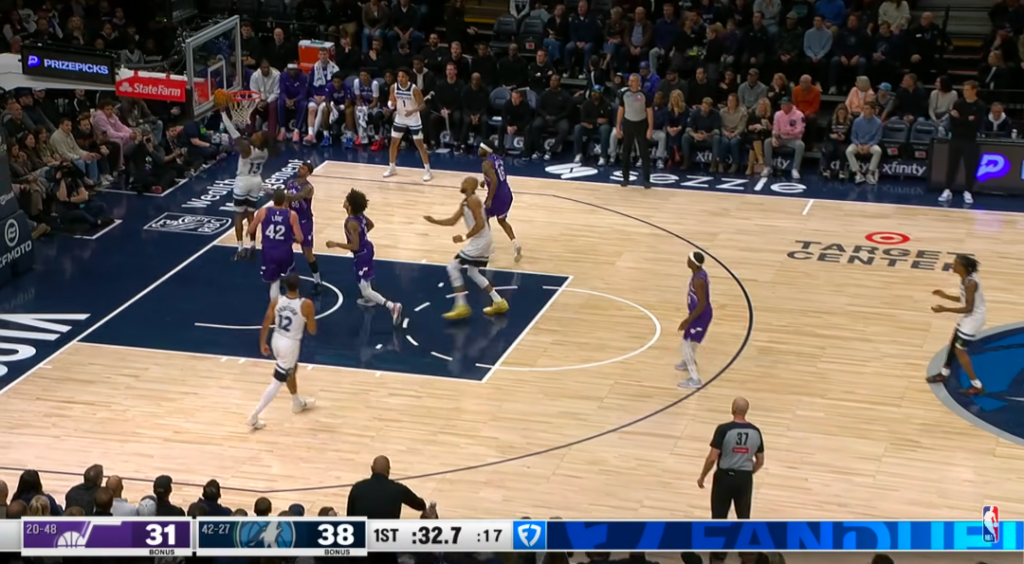
The weak-side help is a step late rotating over, allowing Minnesota to attack the gap before the defense can recover. It gets them points in just seven seconds.
Still, expect the usage rate of guys like Shaedon Sharpe, who you can see a little bit of Edwards in, to go up. He’ll have every opportunity now to become a star player if he has the ability.
Another question that’ll need to be answered before training camp in September is how many of Nori’s colleagues from his previous job will join him on that flight to the Pacific Northwest. We have seen plenty of controversy on new owner Tom Dundon’s willingness to spend, and it’s hard to imagine him firing several assistants, honoring the remainder of their contracts, and then paying an entirely new group.
It’s clear, though, that Portland has its most talented coach since Terry Stotts, and the thought of this roster and the talent they showed last year with Nori’s fundamentals-first approach to teaching the game of basketball should have every Blazers fan excited for the regular season to tip off.