
Defending a Super Bowl title brings expectations, scrutiny, and little room for inconsistency. The Seattle Seahawks entered the 2026 season hoping to build another championship campaign, but the competition has intensified.
As November approaches, attention turns to their postseason prospects and the improvements needed to stay among the NFL’s leading contenders. Offensive consistency, defensive depth, and execution in close games could determine their trajectory.
Seattle still has championship credentials, but repeating last season’s success will require more than relying on its established reputation.
The Odds Picture: Seattle Remains Among the Contenders
Seattle entered the season as defending Super Bowl champions, with opening championship odds of +900. Their odds have since moved to +1,000, leaving them among the leading contenders alongside teams such as the San Francisco 49ers and Buffalo Bills. The relatively small change suggests Seattle remains firmly in the championship conversation.
The Seattle Seahawks Super Bowl odds reflect how the team’s championship prospects are currently valued. At +1,000, Seattle has an implied championship probability of approximately 9.1%, before accounting for the sportsbook’s margin. While that suggests another title is far from guaranteed, the Seahawks remain competitive in a crowded futures market.
The shift reflects changing expectations rather than a definitive judgment on Seattle’s championship credentials. Injuries, performances, and the strength of competing teams can all influence futures prices. Several teams currently have shorter championship odds, leaving Seattle with ground to make up in the futures market.
For Seattle, November offers a chance to change that assessment. Strong performances against competitive opponents could reinforce confidence in another postseason run. However, defending the title requires consistency across several areas, beginning with offensive protection.
Stabilize the Offensive Line Before Pressure Becomes Costly
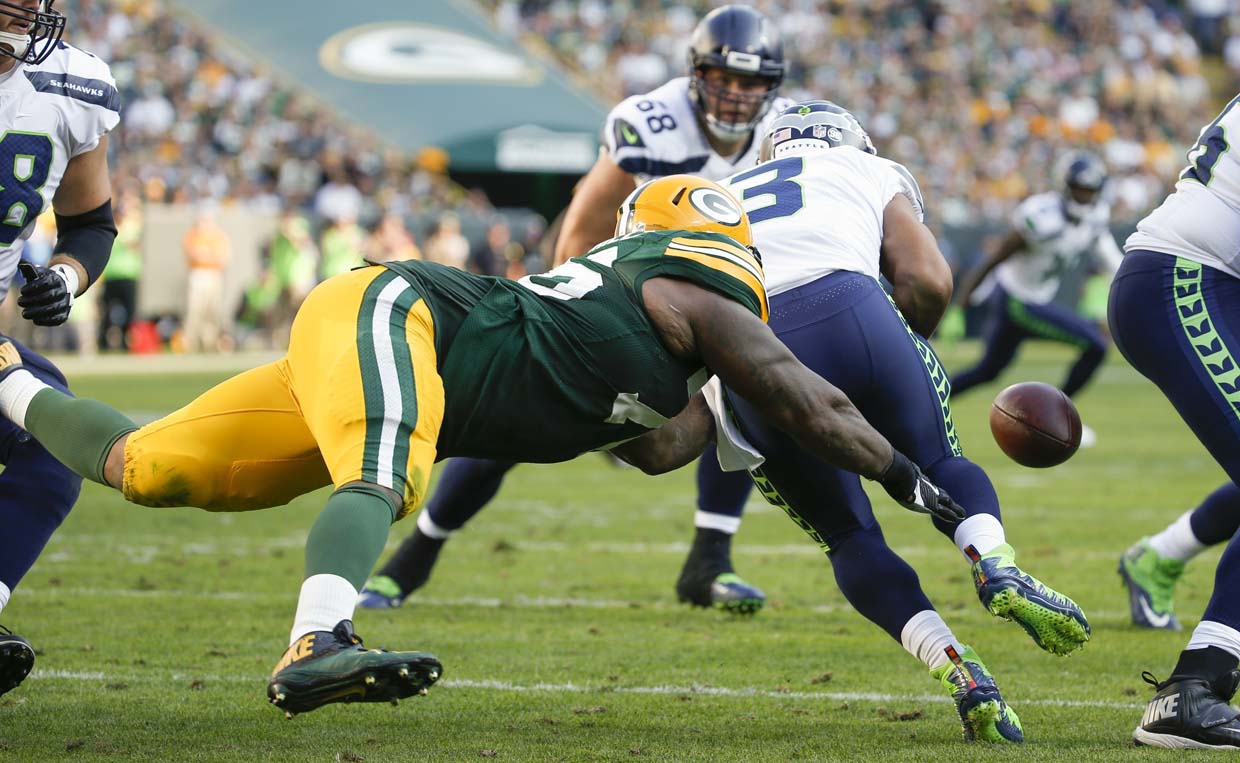
Seattle’s offensive line has emerged as a significant concern. Through six games, the Seahawks surrendered 16 sacks, including five each against San Francisco and Denver. Their 46.4% pressure rate ranked fourth-highest in the NFL, highlighting how frequently opposing defenses disrupted Sam Darnold’s passing opportunities.
The solution begins with communication and consistency. Establishing dependable combinations across the line, simplifying protection assignments, and emphasizing quicker passing concepts could reduce unnecessary pressure. Darnold also needs reliable outlets when defenses attack aggressively.
Seattle’s protection problems extend beyond individual blocking assignments. When Seattle struggles to run the ball on early downs, opponents can anticipate passing plays and put more pressure on Darnold. Improving early-down execution would help restore balance and make defensive pressure less predictable.
November offers a key opportunity to build cohesion. Cleaner protection against tough opponents would show Seattle can handle the physical demands of playoff football. Championship expectations depend heavily on quarterback efficiency, and Darnold needs time to make decisive throws as games get more demanding.
Rediscover the Running Game That Supports Seattle’s Offense
Seattle’s championship formula relied on complementary football, but its rushing attack has struggled to reproduce that consistency. Against Kansas City on October 25, the Seahawks got 153 rushing yards on 41 carries, but their 3.7 yards-per-carry average showed ongoing efficiency concerns.
Establishing a dependable ground attack would provide several benefits. Gap-scheme concepts, better blocking combinations, and a clearer distribution of carries could help Seattle generate more productive early-down situations. The goal should be consistent yardage, not simply more rushing attempts.
A stronger running game would also improve play-action opportunities. When defenses have to respect the threat of productive carries, they become more vulnerable to intermediate passing routes. That could create additional opportunities for Darnold and reduce the pressure on Seattle’s receivers to manufacture explosive plays.
The defensive benefits matter too. Longer possessions provide recovery time between opposing drives and help control the pace of demanding contests. Seattle doesn’t need to abandon its passing strengths, but restoring offensive balance could make the Seahawks much harder to defend.
Keep the Defense Fresh Through a Demanding November
Seattle’s defense remains a considerable strength, although maintaining that standard throughout another championship campaign requires careful personnel management. Early October analysis highlighted impressive performances from Leonard Williams, Byron Murphy II, and DeMarcus Lawrence, along with questions about defensive depth.
A deeper rotation could help preserve the defensive front’s effectiveness. Sharing responsibilities among established contributors and developing younger players would reduce reliance on the same personnel during extended drives. However, Mike Macdonald must balance rotation with the need to maintain established defensive combinations.
Pass-rush consistency becomes particularly important against playoff-caliber quarterbacks. Seattle needs pressure without sacrificing coverage discipline, especially on third downs. A fresh defensive front can help prevent opposing quarterbacks from extending possessions and exploiting tired defenders late in games.
The secondary also benefits when pressure arrives consistently. Shorter passing windows reduce the time receivers have to get open, letting defensive backs play more aggressively. Seattle’s challenge is maintaining its defensive identity while preserving enough depth to withstand the physical demands of December and January.
Win the Small Battles That Decide Close Games
Seattle’s narrow defeats have exposed another area requiring attention. Following the October 15 overtime loss to Denver, the Seahawks had suffered three defeats by three points or fewer. Offensive mistakes, stalled possessions, and turnovers repeatedly undermined otherwise competitive performances.
Improving ball security must become a priority. Darnold needs cleaner decisions under pressure, while receivers and running backs must protect possession through contact. These details rarely dominate headlines, but they can determine whether a promising drive produces points or ends prematurely.
Beyond turnovers, Seattle’s red-zone performance deserves attention. NFL insights can help put those struggles into context by examining recent performances and the factors influencing results. Seattle must turn sustained possessions into touchdowns rather than settling for field goals. Better-designed short-yardage packages and confident fourth-down decisions could also improve its ability to finish drives when opportunities emerge.
These improvements could influence Seattle’s championship outlook more than one spectacular individual performance. Consistent execution against strong opponents demonstrates resilience and reliability. The Seahawks cannot control San Francisco’s or Buffalo’s results, but they can strengthen their own position by eliminating the mistakes that have made close games unnecessarily difficult.
Seattle’s Championship Ambitions Remain Within Reach
Seattle’s Super Bowl outlook has changed, but the Seahawks remain credible contenders entering November. Their championship experience and defensive talent provide a strong foundation, while offensive protection, rushing efficiency, and situational execution offer clear opportunities for improvement.
The coming weeks will reveal whether those adjustments translate into consistent performances. Seattle doesn’t need to win every game comfortably to remain a contender. Protecting Darnold, making better use of rushing opportunities, and converting close games into victories would give the Seahawks a stronger chance of defending their title.
Information is accurate as of October 30, 2026.
Be the first to comment