
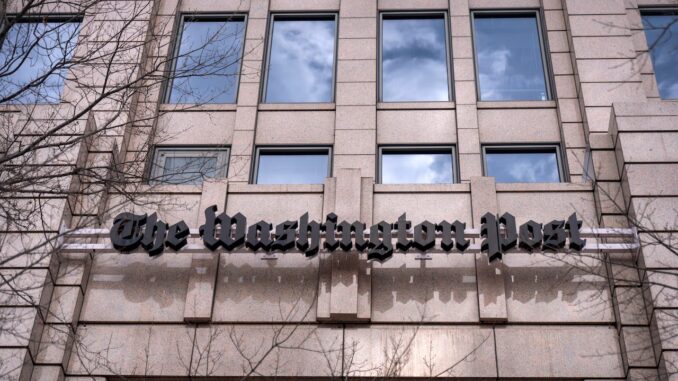
Man, what a gut punch. Waking up to the news that The Washington Post is axing its entire sports section feels like losing an old friend. The kind that’s been there for every euphoric win, brutal loss, and deliciously messy scandal.
On February 4, executive editor Matt Murray dropped the news in a Zoom call. Just like that, the sports desk was gone in its current form. One of the most storied corners of American journalism shut down amid layoffs that wiped out roughly a third of the newsroom. Around 300 jobs vanished, including about 45 people from sports. A few may stick around in some fuzzy role covering sports as a “cultural phenomenon,” which somehow makes it feel worse. Oof.
Because WaPo sports was never just filler wedged between politics and op-eds. This was hallowed ground. Shirley Povich helped invent modern sportswriting there. Thomas Boswell turned baseball into poetry. Sally Jenkins, Christine Brennan, Tony Kornheiser, and Michael Wilbon all came through that newsroom. And they didn’t just recap games. They did the hard stuff. NFL concussion reporting. Trevor Bauer’s misconduct. The investigation that helped force Dan Snyder out of Washington football. That’s real accountability.
For D.C. fans, the Post was the heartbeat. Nationals chaos. Capitals glory (yes, Ovi’s record chase). Wizards frustration. Mystics excellence. Now ,Washington has four major pro teams and no major daily paper truly covering them. That’s not just sad for locals. It’s bad for sports, period.
So why did this happen? Same tired answer: money. The Post lost $77 million in 2023 and another $100 million in 2024. Readership has cratered, with subscriptions way down from their peak. Leadership is narrowing its focus to “core” areas like politics and national security, while sports, books, and even foreign coverage get labeled “low-demand” and tossed aside.
Sure, ESPN, podcasts, and social media didn’t help. And the sports section was never really given room to evolve — no big multimedia push, no modern overhaul. But this still stings, especially considering Jeff Bezos bought the paper in 2013, promising a golden era. Instead, it’s been buyouts, internal revolts, the endorsement debacle that cost hundreds of thousands of subscribers, and now this. Former editor Marty Baron didn’t mince words, calling it one of the darkest days in the paper’s history.
The reaction has been pure heartbreak. Writers like Mark Maske, Ben Golliver, and Candace Buckner took to social media, sharing résumés and raw emotion. Decades-long careers, abruptly cut. The Guild is furious, calling the layoffs avoidable and a blow to credibility. Across sports media, the response has been the same: heartbreaking, maddening, a disgrace. Even former owner Don Graham said it was a bad day, admitting he’ll miss starting his mornings with the sports page, a ritual he’s had since the 1940s.
And this isn’t just about one paper. It’s the slow bleed of sports journalism everywhere. Beat reporters replaced by gambling content and hot takes. Podcasts and YouTube filling space but rarely replacing the investigative muscle. Fans get less substance. Writers lose careers. Accountability fades.
For D.C., it’s especially brutal. A city that lives and dies with its teams just lost its sports heartbeat.
Rest in peace, WaPo Sports. You were more than box scores. You were a unifier, a watchdog, and a damn good read. Journalism is poorer without you.