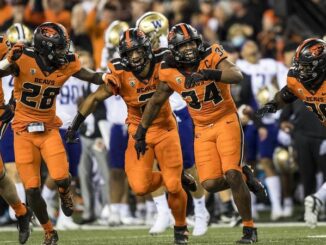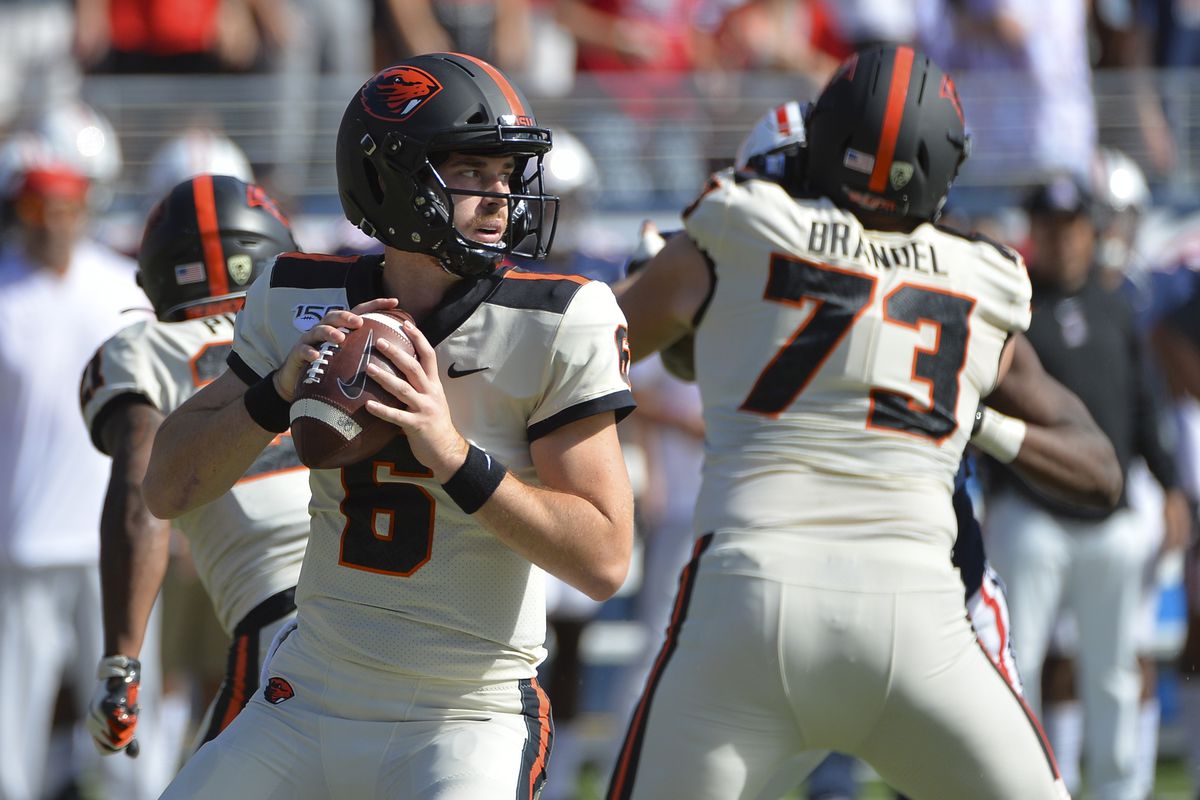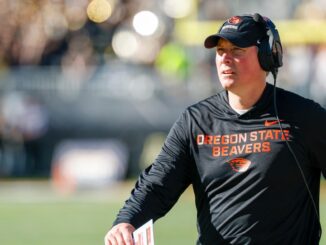

Oregon State football sits at a crossroads. The Beavers just wrapped a rough 2-9 season, their second straight under Trent Bray, who stumbled to a 5-14 record before being let go. Conference realignment has gutted the old Pac-12, leaving a patchwork mix of programs like Washington State and Boise State to form a new league in 2026. Resources feel tight, lawsuits are looming, and the transfer portal is about to unleash chaos on the roster. Into this mess steps JaMarcus Shephard, a 42-year-old Alabama assistant with no head coaching experience. Athletic director Scott Barnes gave him a five-year deal and the keys to Reser Stadium. Bold? Absolutely. Smart? In the long run, yes, but only if the Beavers embrace the gamble.
Shephard’s resume reflects potential rather than pedigree. He spent the last two seasons as Alabama’s co-offensive coordinator, wide receivers coach, and assistant head coach, shaping a passing unit that ranked ninth in the nation. Before that, he worked with Kalen DeBoer at Washington, where his receivers earned All-American honors and helped propel the Huskies to the 2023 national title game. Go back further and you find Shephard grinding at Purdue, Fresno State, and even Washington State in 2016, building recruiting ties throughout the Pacific Northwest. He is not a retread. He has coached elite talents like Rome Odunze and Ryan Williams, and his track record of offensive development is exactly what Oregon State has been missing.
What makes this hire even more intriguing is the team Shephard is bringing with him. He hired Eron Hodges, Alabama’s associate director of player personnel, to run Oregon State’s new football general manager role, which is crucial for managing NIL and the transfer portal. Mitch Dahlen, an Oregon native with family ties to Oregon State, steps in as offensive coordinator and quarterbacks coach. Torrey Gill, who previously served as a graduate assistant in Corvallis, returns to coach wide receivers. This is not a one-man rebuild. It is a full infrastructure transplant, complete with staff who understand both high-level football and local culture. Expect a staff overhaul as well, with returning assistants like running backs coach Ray Pickering and defensive coordinator Rod Chance already let go. Shephard met with the remaining staff on Monday and plans a full rebuild for 2026. Risky, yes. Better than recycling the same old names, absolutely.
Shephard’s presence alone is electric. At his introductory press conference in Corvallis, he commanded the room like someone who has been doing this for years. “I wanted to be here worse,” he said, brushing aside higher-profile opportunities for the chance to lead Oregon State. He spoke about excellence in every corner of the program, saying, “How you do anything is how you do everything.” His vision is a culture built on toughness, integrity, and balance, pairing the Beavers’ traditional run game with an offense that can actually push the ball downfield. He even called out alumni, telling them, “Get your butt back here,” encouraging them to attend practices and connect with recruits. He is a motivator with genuine personality. His rise from earning twelve thousand dollars a year in compliance work to becoming Oregon State’s first Black head coach speaks to both grit and perspective.
Of course, the risks are real. Shephard has never been a head coach. He inherits a roster that may lose significant talent to the transfer portal when it opens on January 2. Financial challenges and a major lawsuit tied to Pac-12 media rights are still in play. He is also still working for Alabama through the SEC title game against Georgia. Some critics wonder if he will use Oregon State as a springboard to a bigger job. But here is the other side. If he leaves for a bigger program after winning, that means Oregon State succeeded. It means Corvallis became a place where aspiring top assistants want to coach. Barnes increased the assistant salary pool to five million dollars and is leaning on record fundraising to strengthen NIL. Shephard brushed aside concerns, calling the obstacles a “non-issue” and pointing to his recruiting connections within a five-hour radius as his competitive edge.
The bottom line is simple. Oregon State cannot afford the safe play. The Beavers need energy and creativity, not another familiar name who maintains the status quo. Shephard brings drive, intelligence, and a blueprint designed for the rebuilt Pac-12. He is not arriving as a savior. He is arriving as a spark. If he ignites the program, Oregon State could surprise people. If he elevates it just enough to attract the next rising star, that is a win too. Either way, Beaver Nation should buckle up. A new chapter is starting, and it feels promising.